Case Study: Brand New Shower That Leaked From Day One
This Denver homeowner faced a frustrating situation: their shower had been newly installed approximately one year ago, but it leaked from the very beginning. After using the shower only three or four times, they discovered water dripping through the ceiling below, causing the first-floor ceiling drywall to sag and bubble.
Unable to use their new shower and facing potential structural damage, they needed a solution that wouldn't require demolishing the entire beautiful tile installation they'd just paid for. We proposed a diagnostic approach: create strategic access points to locate the leak source while preserving as much of the existing tile work as possible.
Strategic Diagnosis: Finding the Leak Source
Rather than recommending complete demolition of the relatively new tile work, we began with proper leak diagnosis to understand exactly where and why water was escaping the shower enclosure.
Initial Assessment
- Shower age: Less than 1 year old—recently installed
- Leak onset: Immediate leaking after first 3-4 uses (installation defect, not wear)
- Ceiling damage: Water dripping through first-floor ceiling, drywall sagging and bubbling
- Wall tile condition: All wall tile in excellent condition—no visible cracks or damage
- Pattern: Leak occurred every time shower was used (not intermittent)
Diagnostic Access Strategy
We created two strategic access points to trace the leak without unnecessary demolition:
1. Ceiling Access from Below
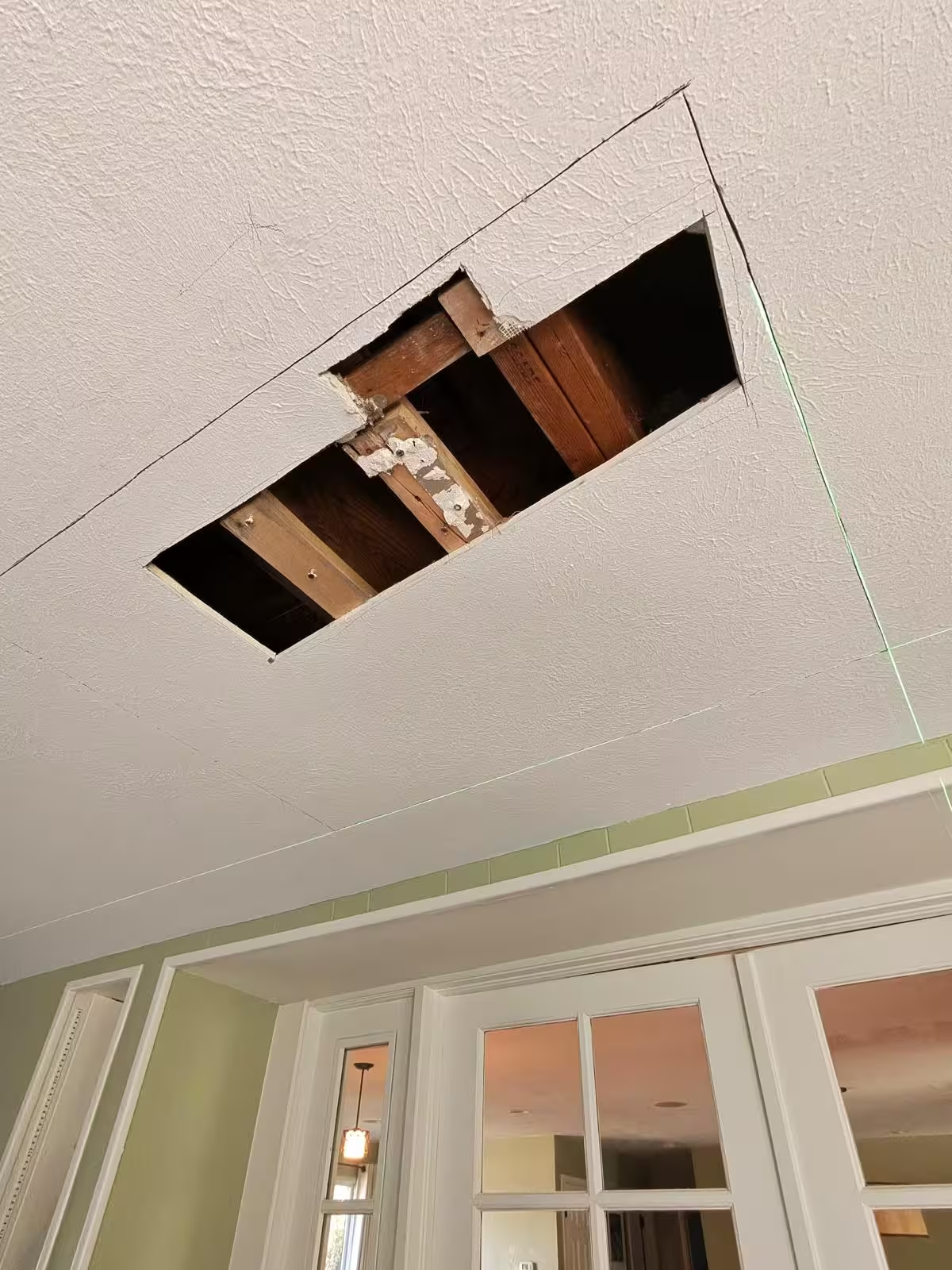
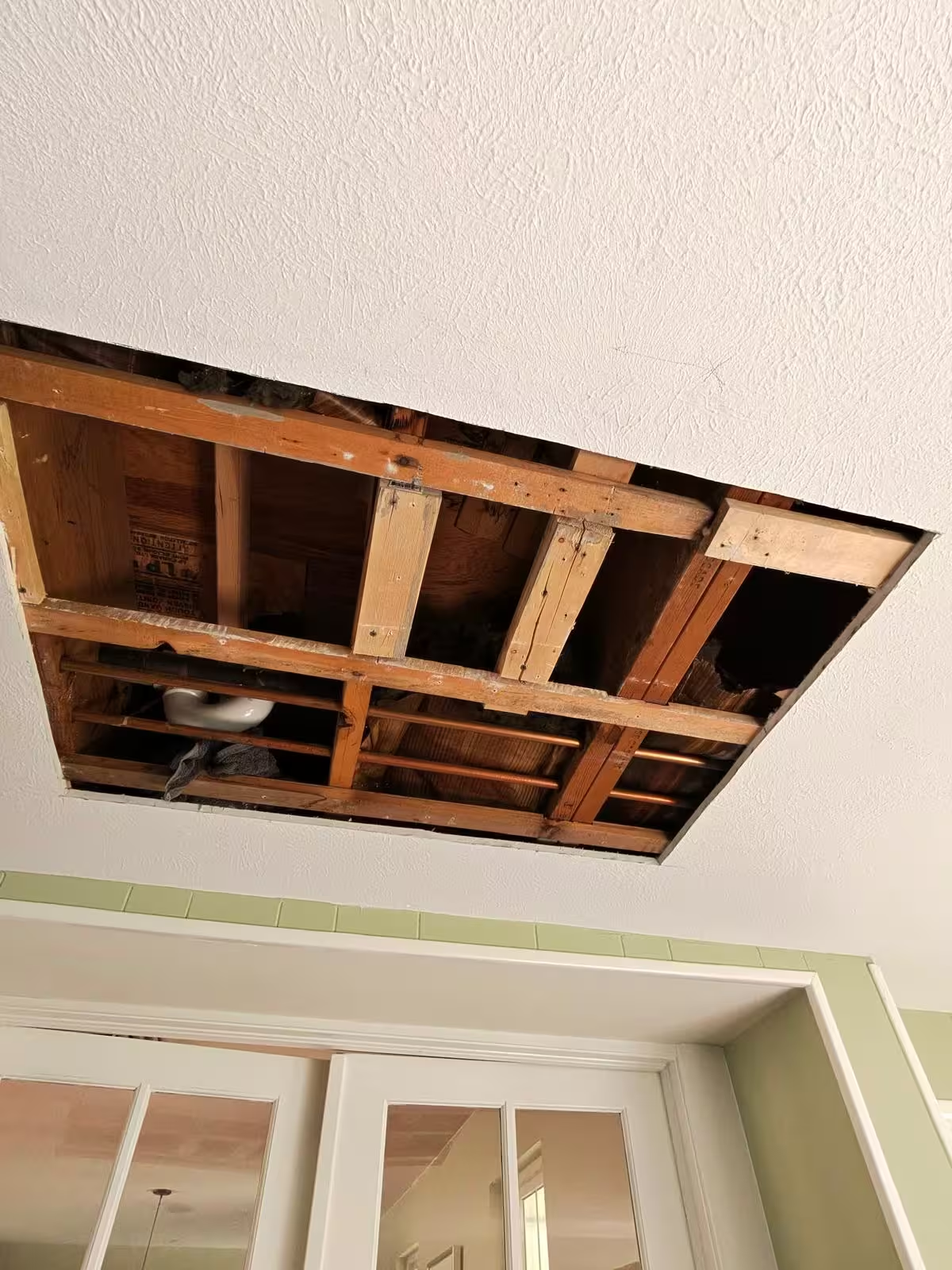
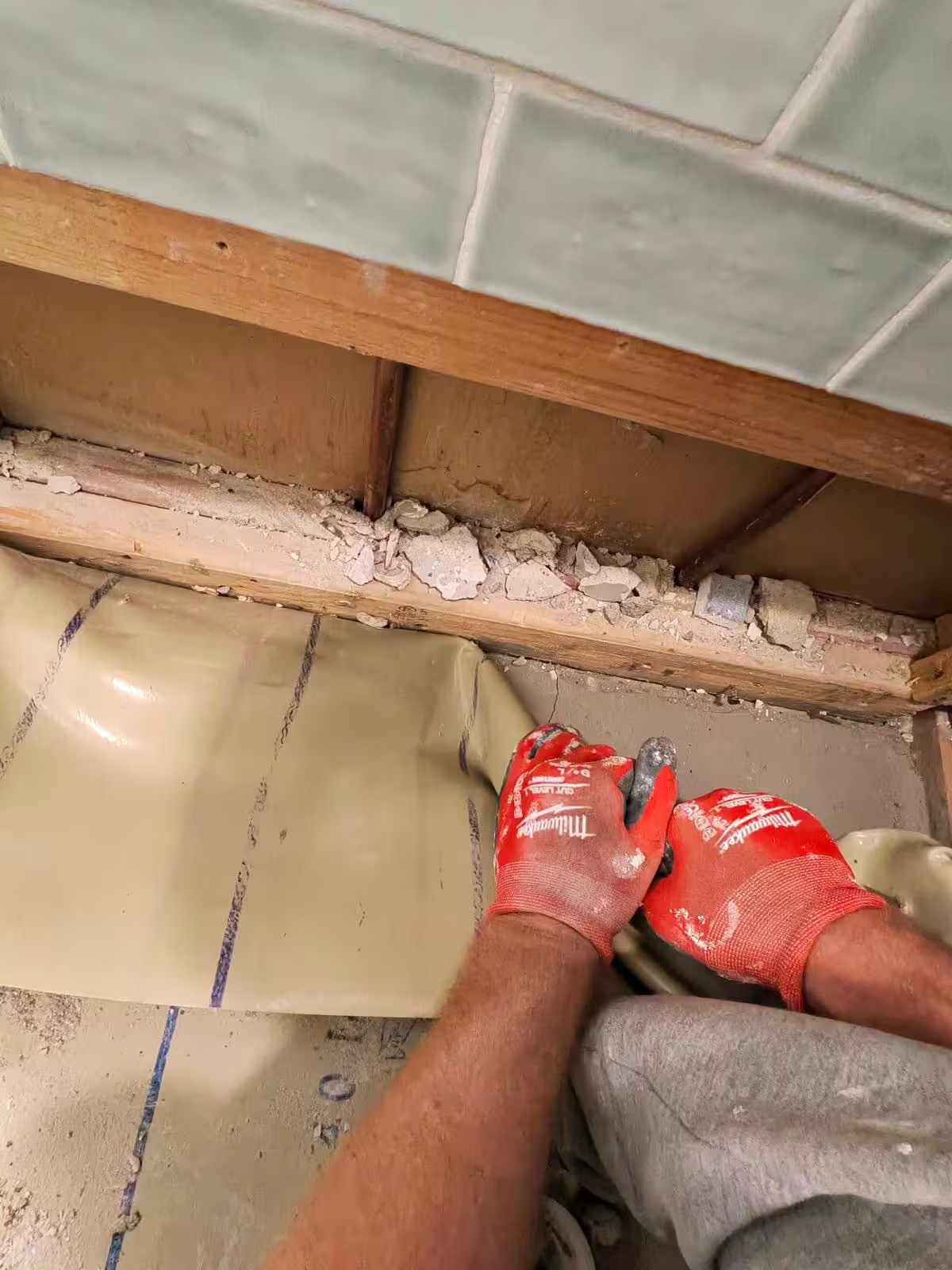
Working from the first floor, we cut an access opening in the damaged ceiling directly below the shower. This allowed us to:
- Inspect floor joists for water damage extent
- Trace the exact leak path and entry point
- Assess structural damage to framing
- Confirm leak originated from shower pan area (not walls or plumbing)
2. Minimal Tile Removal for Shower Access
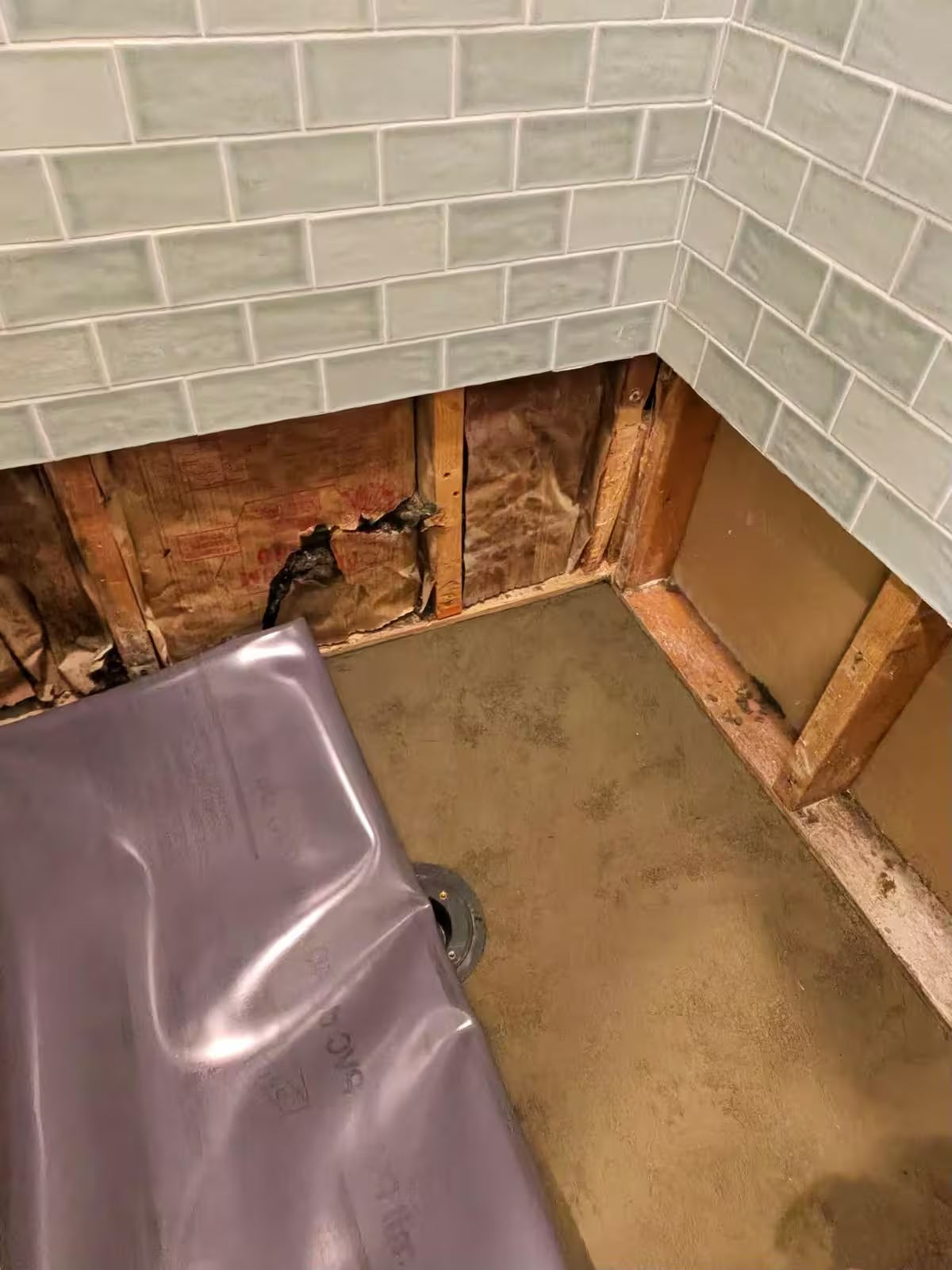
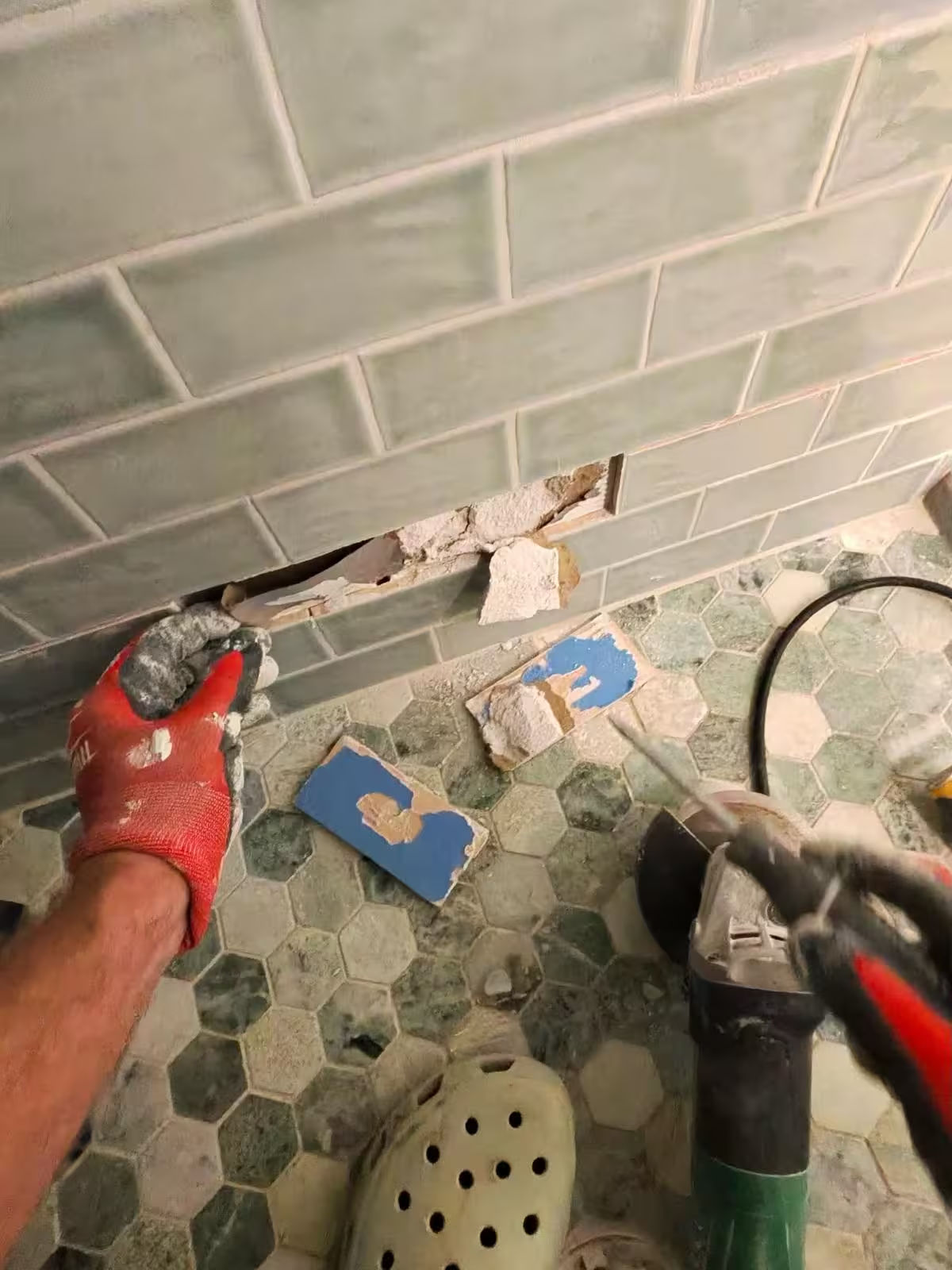
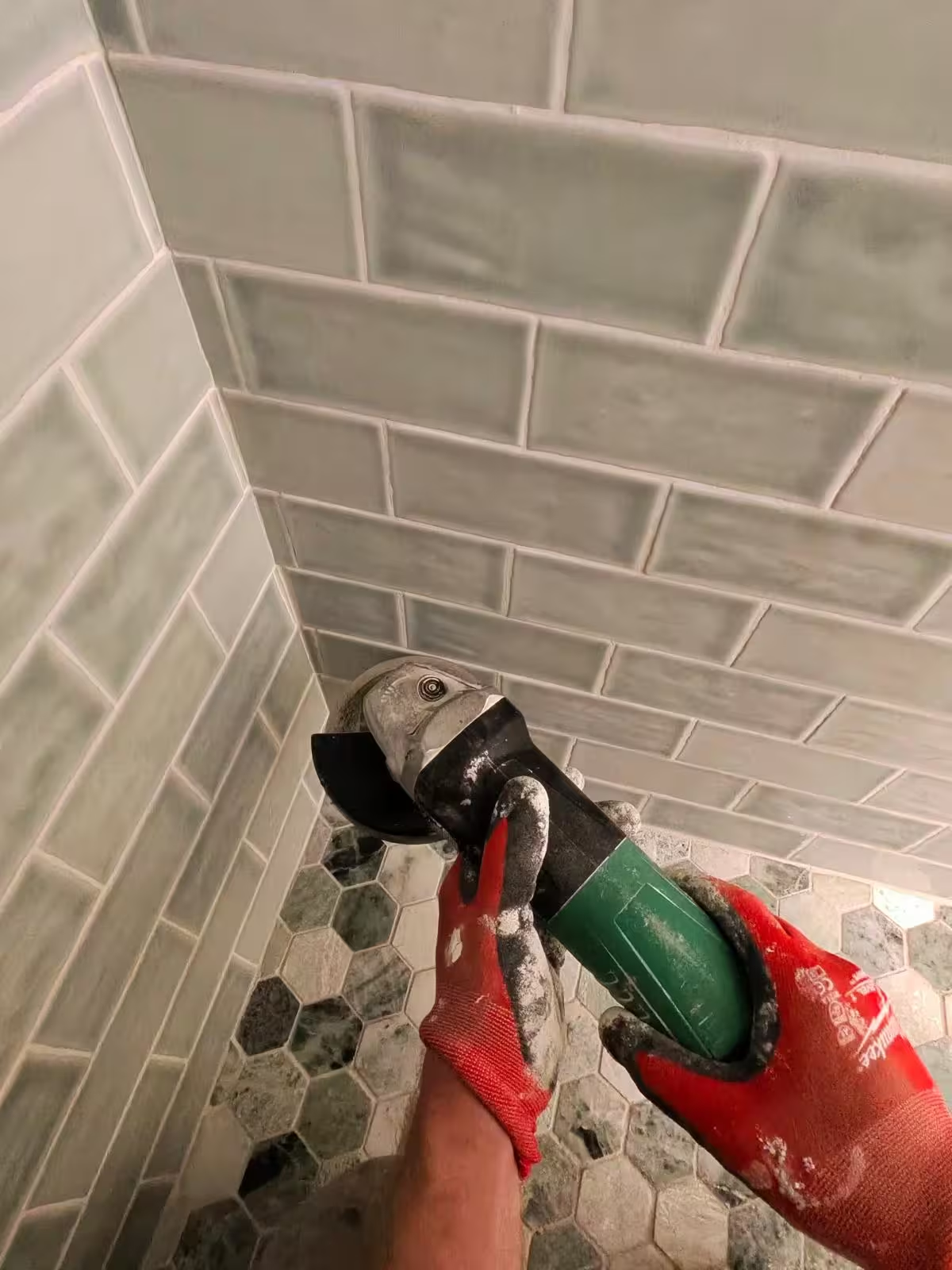
Based on ceiling inspection confirming the leak source was the shower pan (not wall waterproofing), we removed only the bottom four rows of wall tile. This strategic approach:
- Provided sufficient access to shower pan liner and drain assembly
- Preserved approximately 75% of existing wall tile installation
- Saved the homeowner $4,000-$5,000 in wall retiling costs
- Reduced project timeline from 3-4 weeks to 1 week
The Discovery: Installation Defects Guaranteed Failure
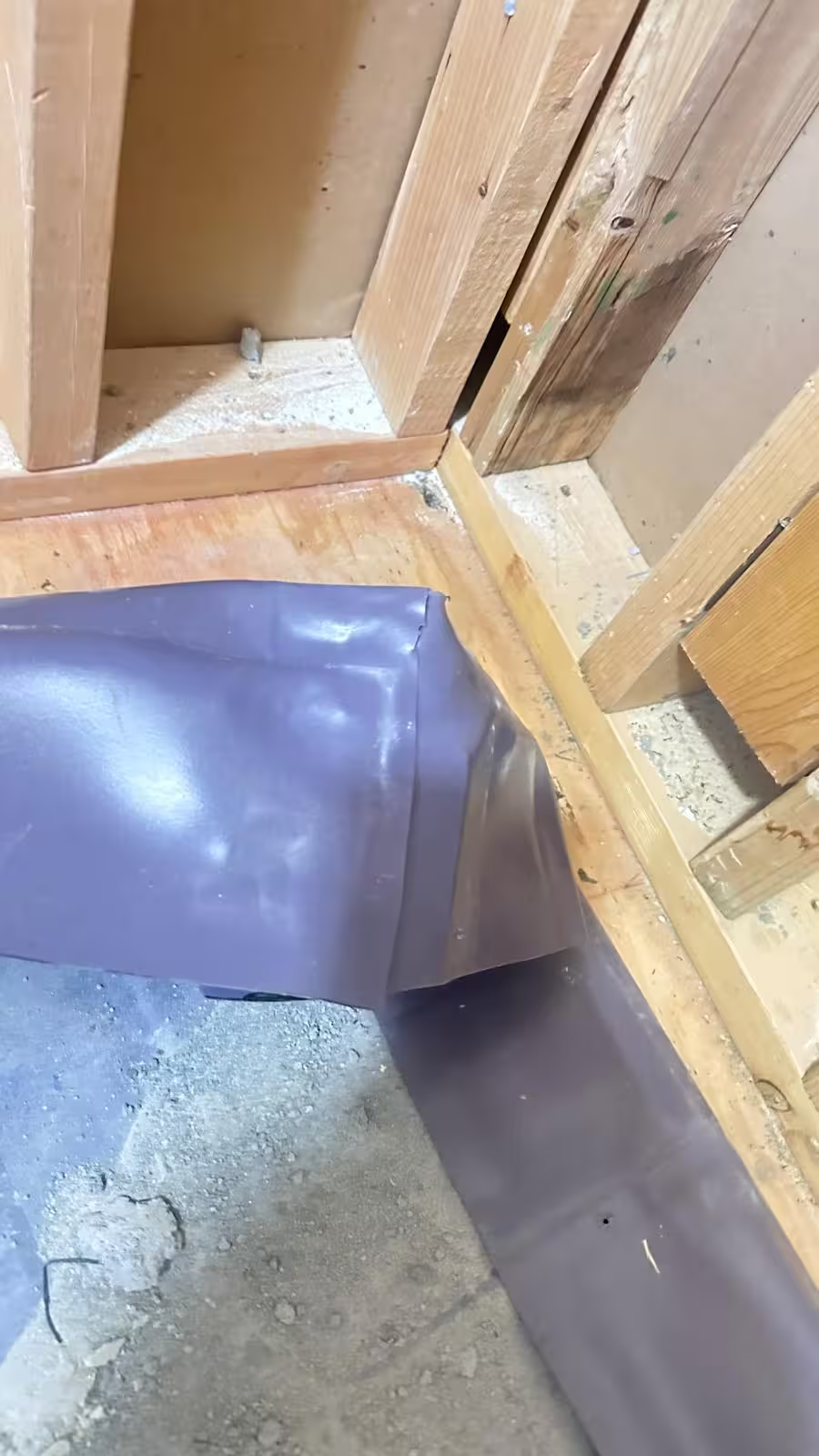
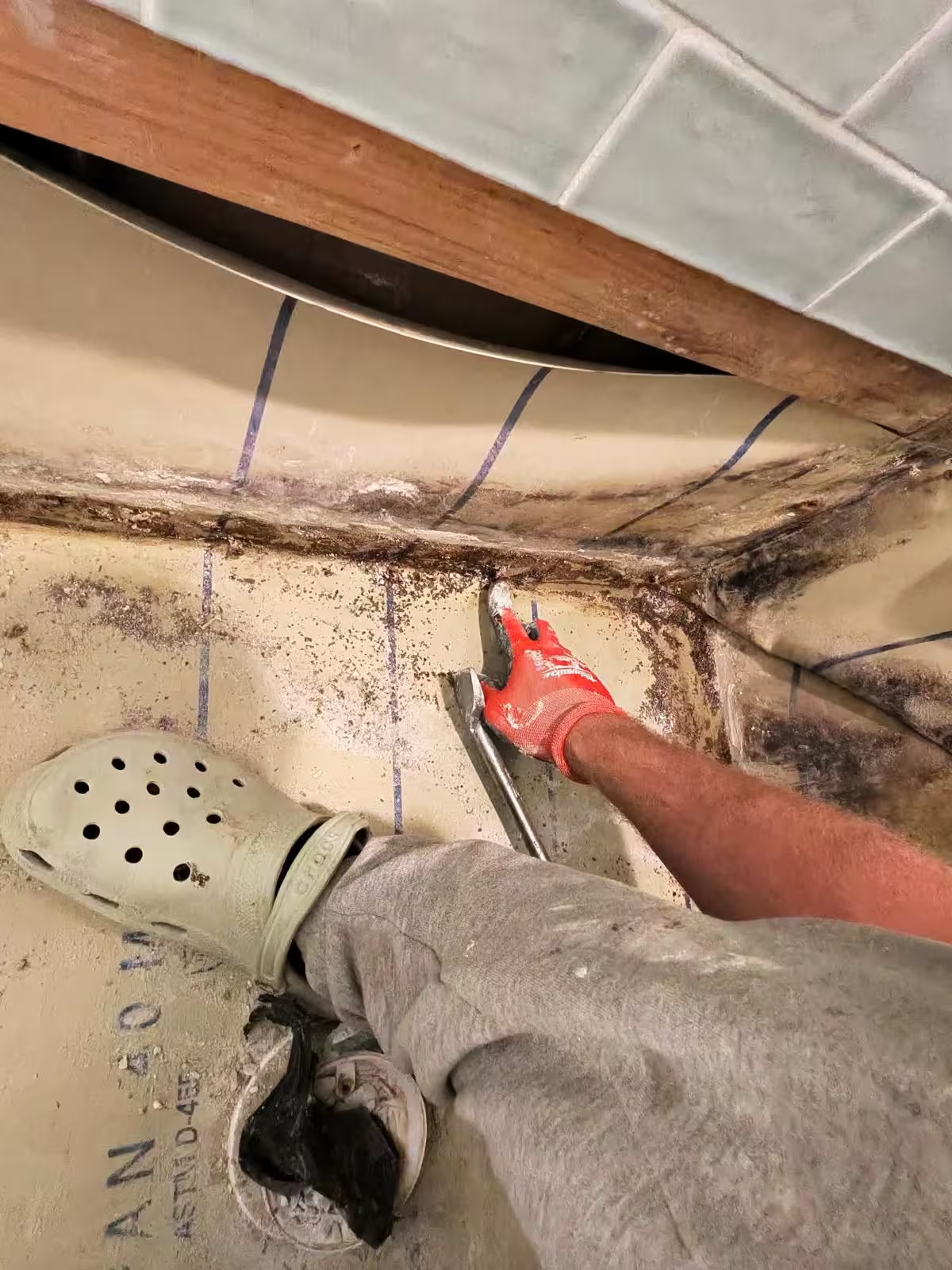
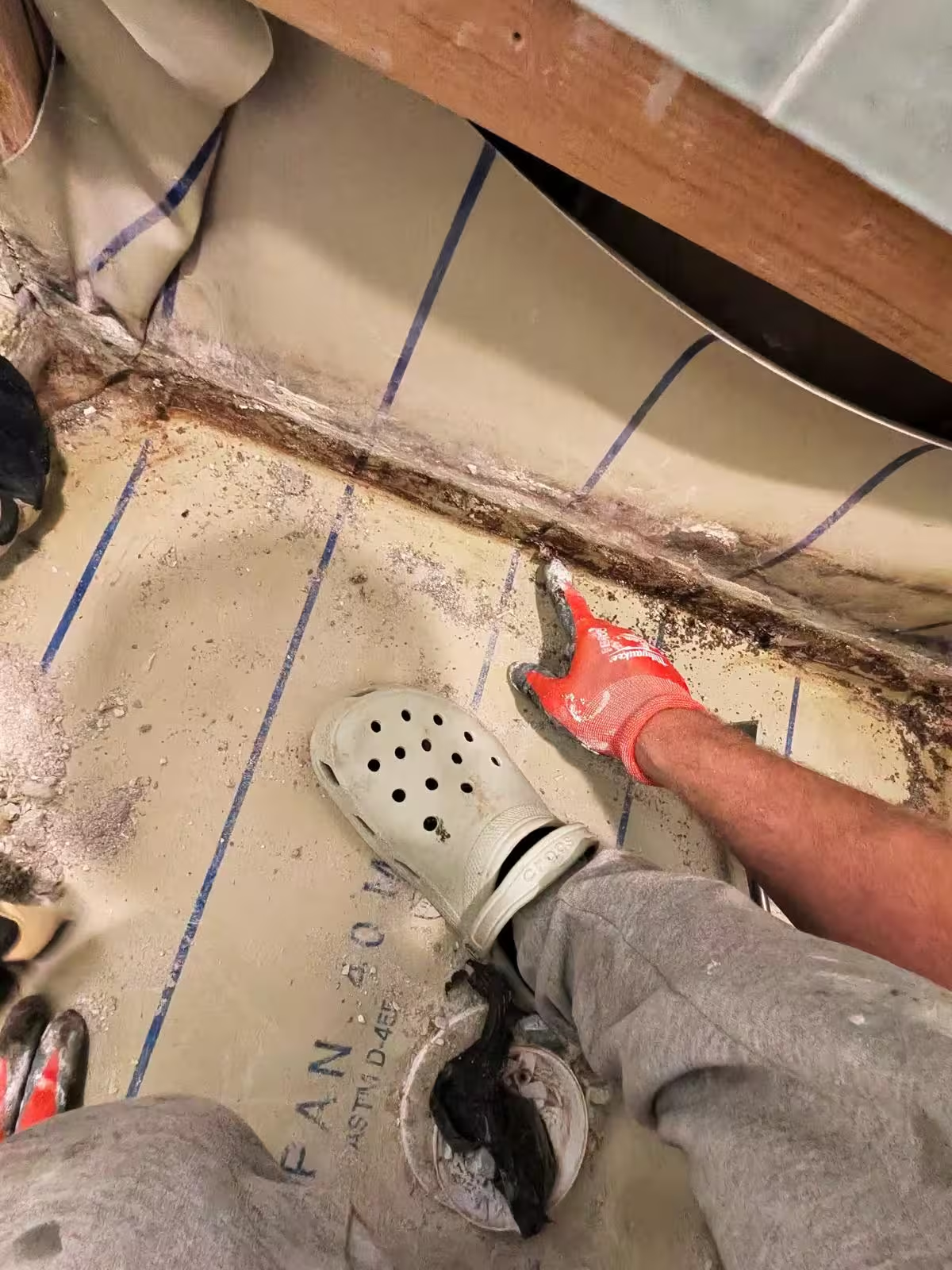
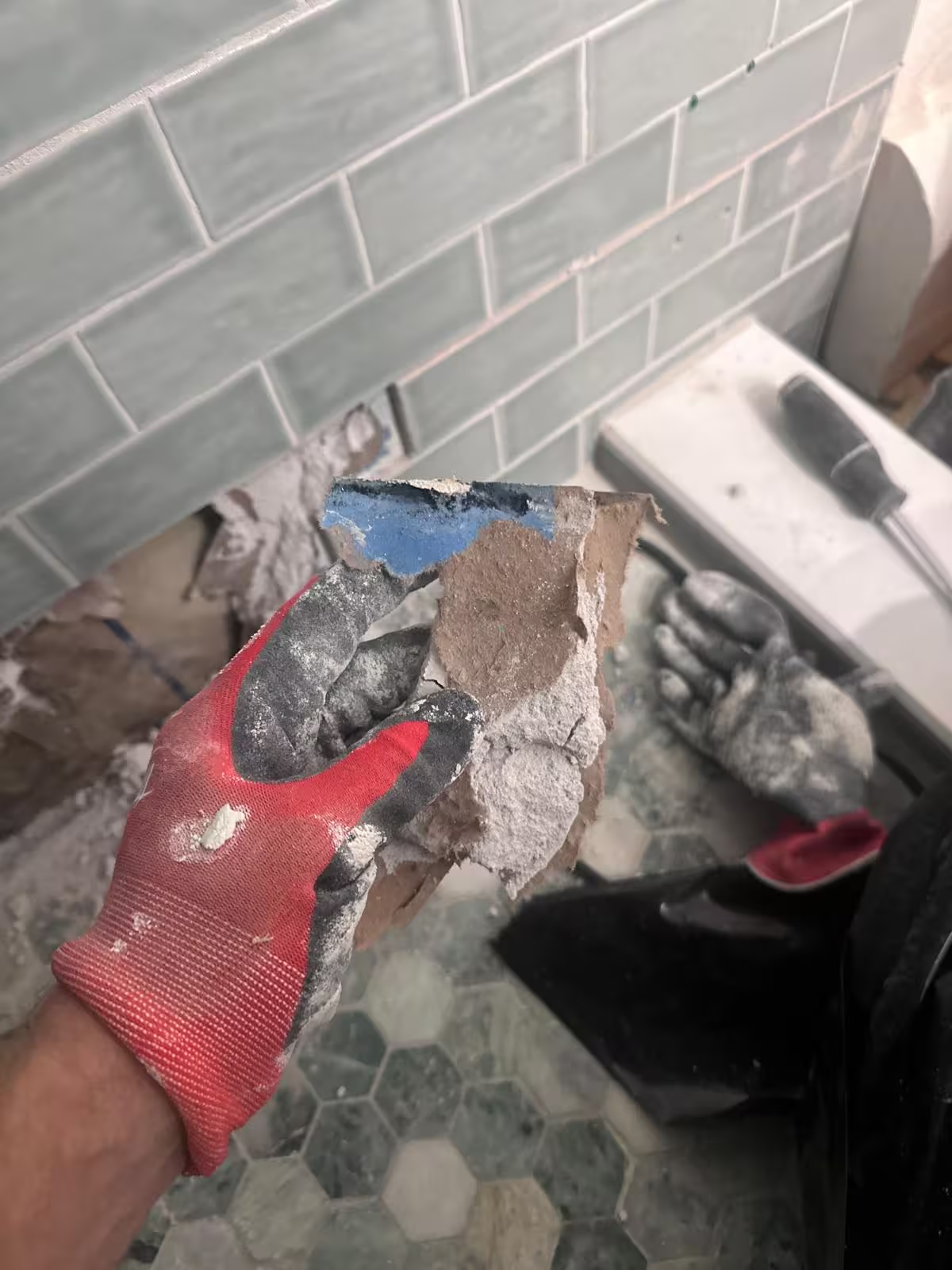
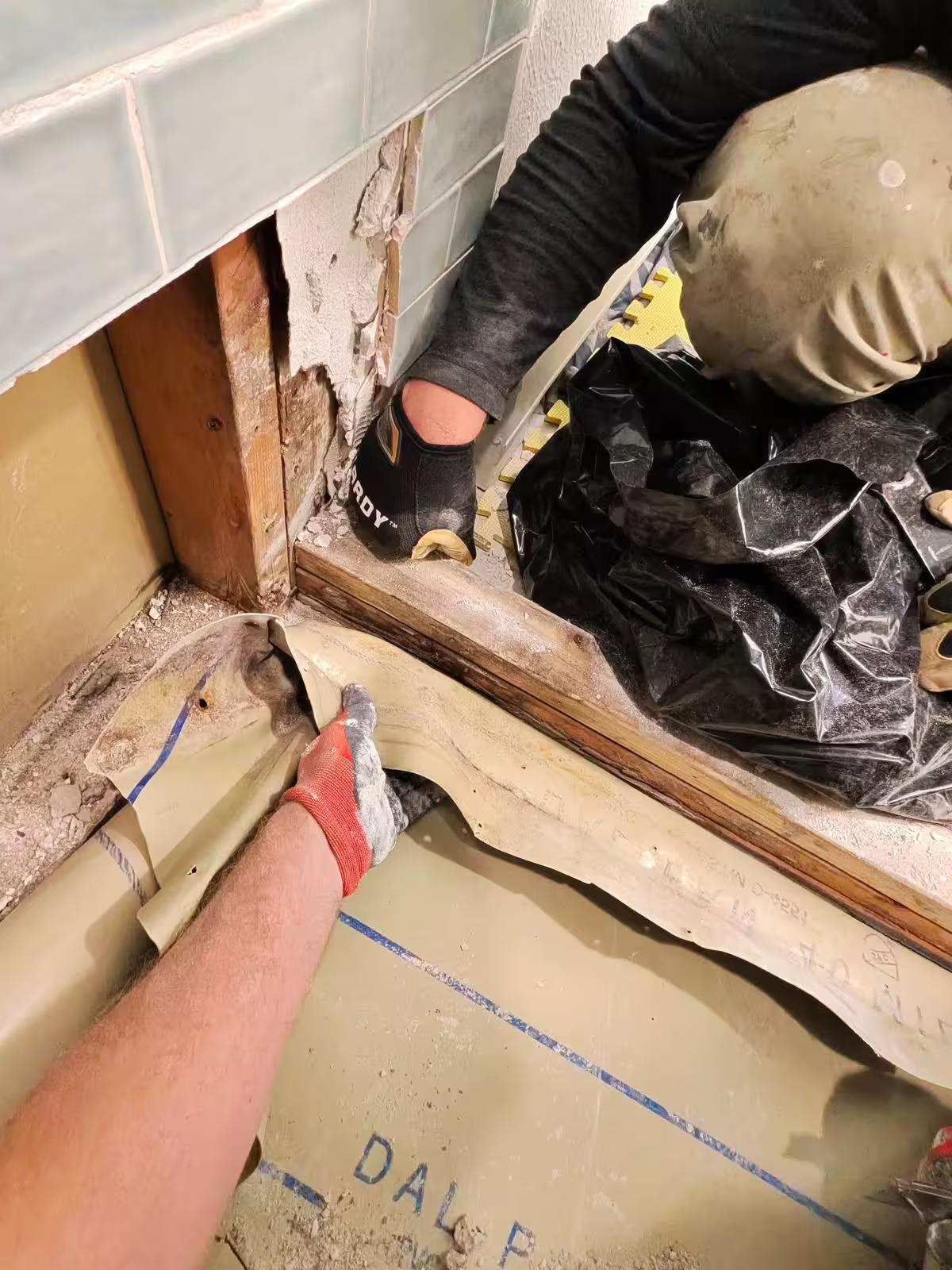
After carefully removing the mortar bed, we exposed the PVC shower pan liner and immediately identified the problem: multiple punctures from screws driven through the waterproof membrane during the original installation.
Critical Installation Violation
Located in the corner of the shower, several screws had been driven directly through the PVC liner during the original installation—a fundamental violation of TCNA waterproofing standards. These punctures created direct paths for water to bypass the waterproof membrane and leak into the floor structure below.
Per TCNA and manufacturer guidelines: Fasteners should NEVER penetrate the waterproof liner below the flood plane (typically 3" above the curb). The original installer violated this fundamental rule, compromising the entire waterproofing system from day one.
What We Found
Waterproofing Failures
- Multiple screw punctures through PVC liner
- Fasteners driven below flood plane (code violation)
- Old PVC liner improperly fastened to framing
- No evidence of flood test before tile installation
Structural Damage
- Minor wood rot on floor framing from water exposure
- First-floor ceiling drywall saturated and sagging
- Fortunately caught early—no major joist damage
- Drain connection adequate but liner seal compromised
This case perfectly illustrates why proper installation standards exist—and why skipping critical steps like flood testing leads to expensive failures. Learn more about proper shower floor slope requirements and waterproofing best practices.
Our Solution: Proper Shower Pan Liner Replacement Following TCNA Standards
Removal and Preparation
- Removed compromised mortar bed sections carefully
- Extracted damaged PVC liner, documenting screw punctures for homeowner records
- Cleaned and thoroughly dried all wood framing
- Treated minor water-damaged wood areas with anti-fungal solution
- Ensured proper slope of underlying surface for drainage
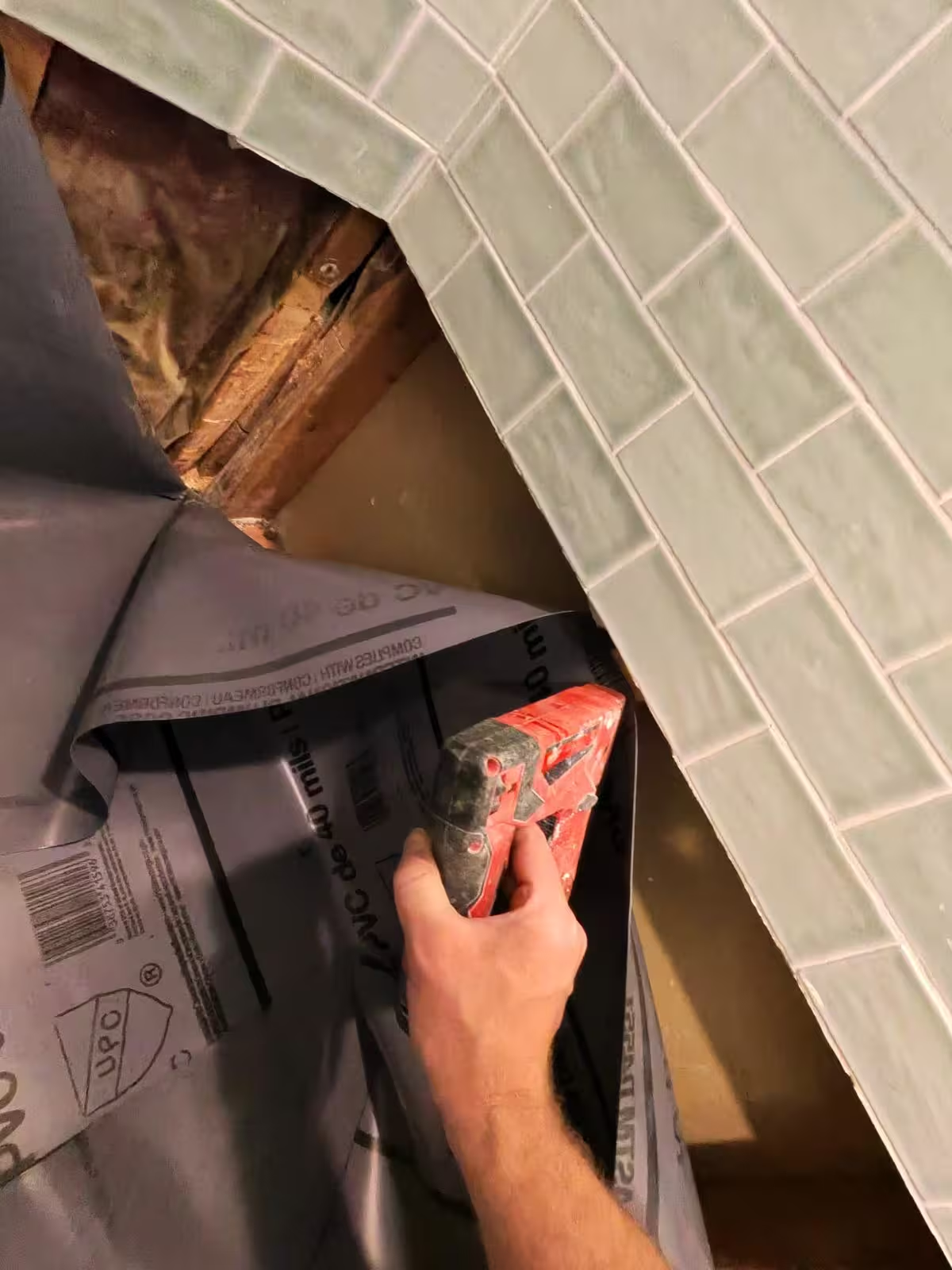
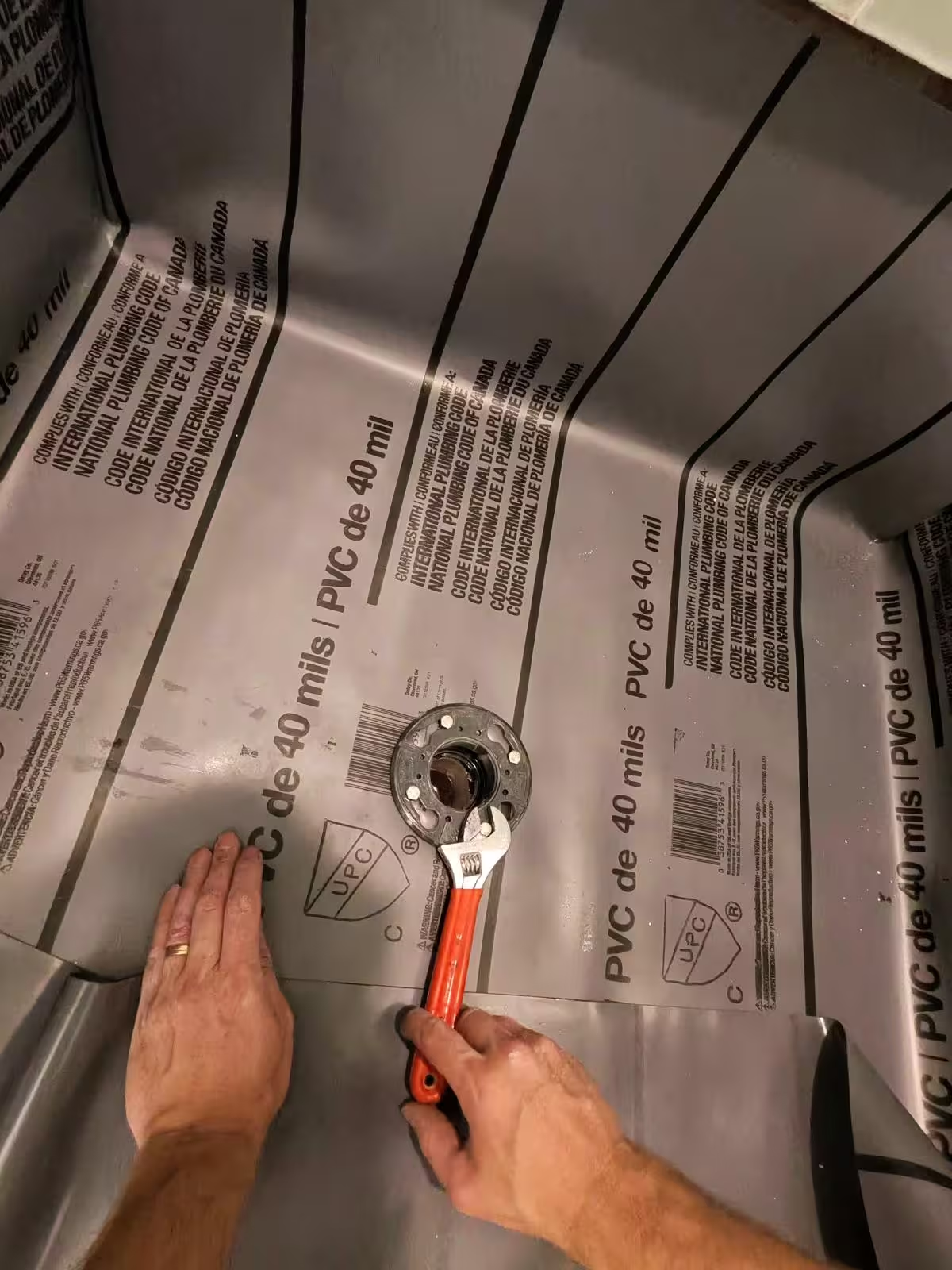
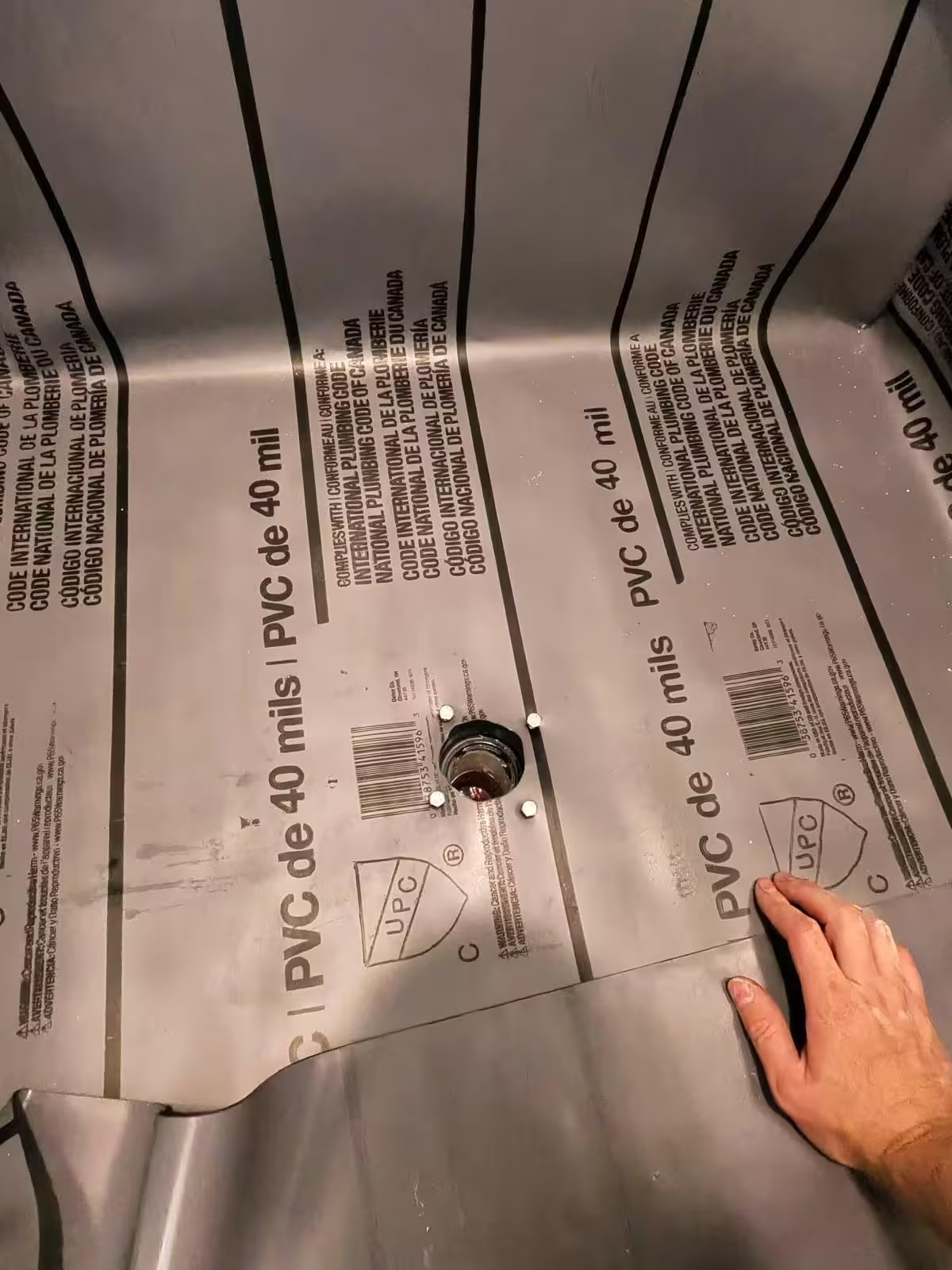
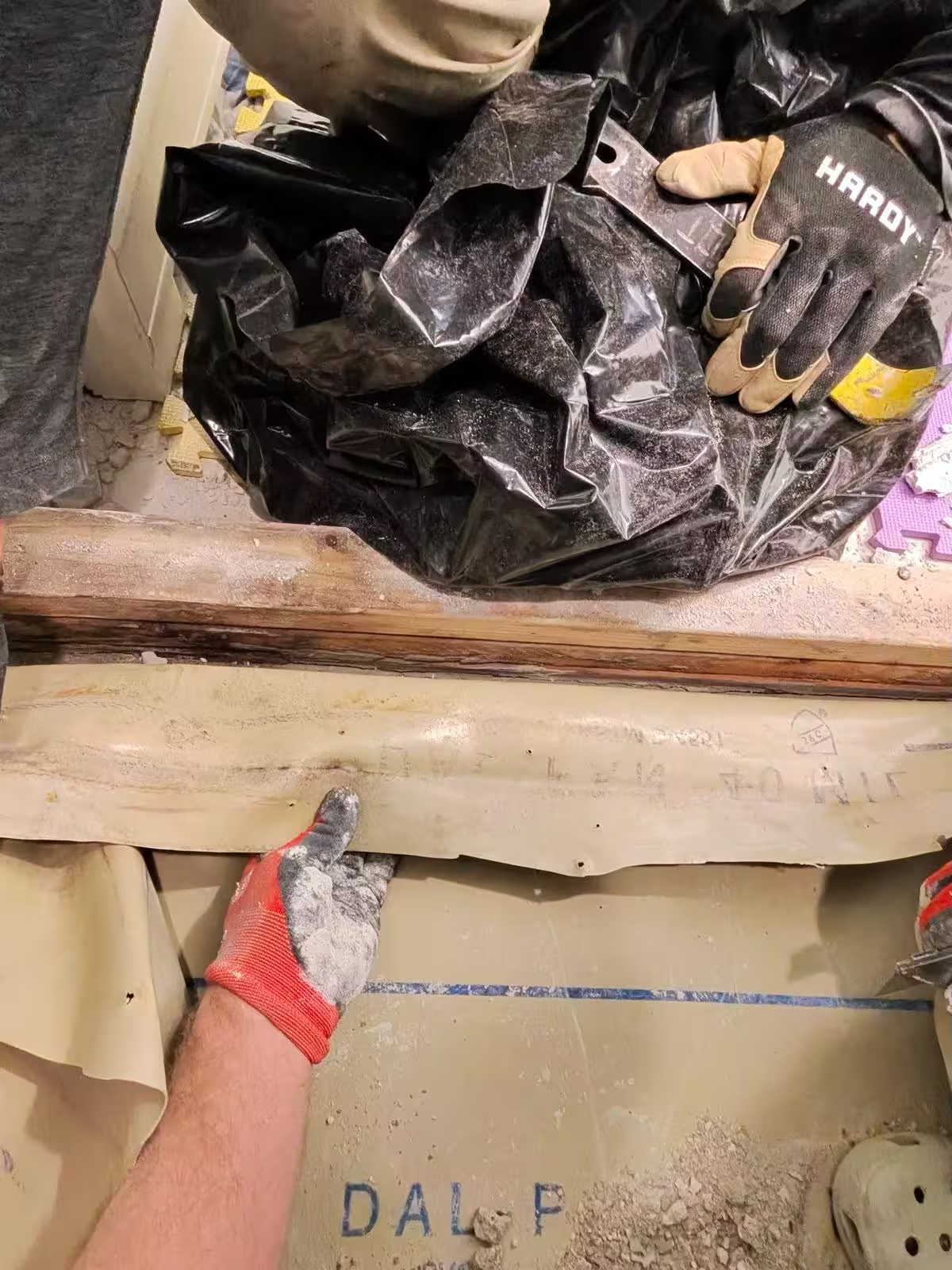
New PVC Liner Installation Following TCNA Standards
Material Specifications:
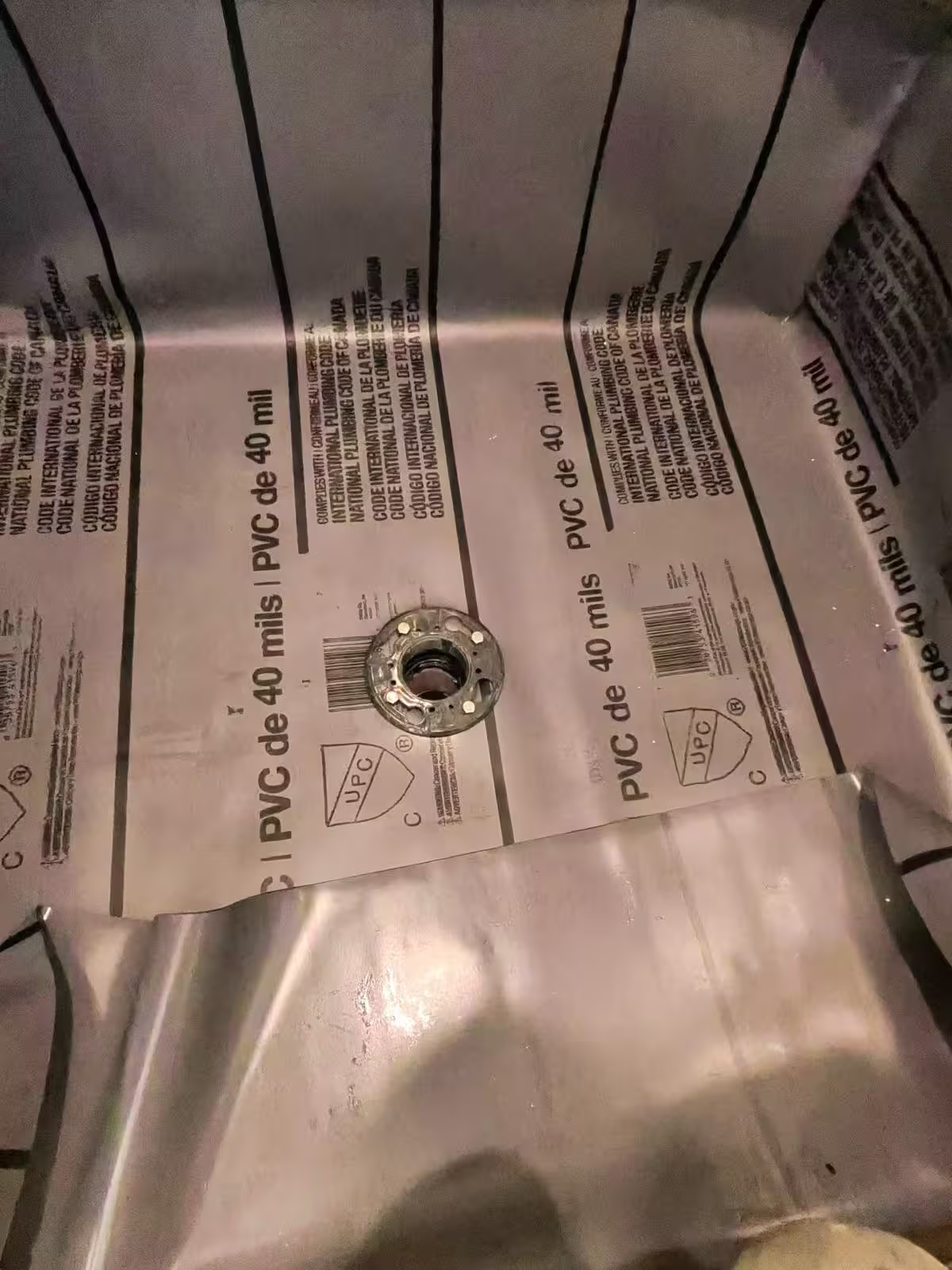
- 40 mil PVC shower pan liner meeting ASTM D4551 standards
- Proper upturn height: Minimum 3" above finished curb/threshold
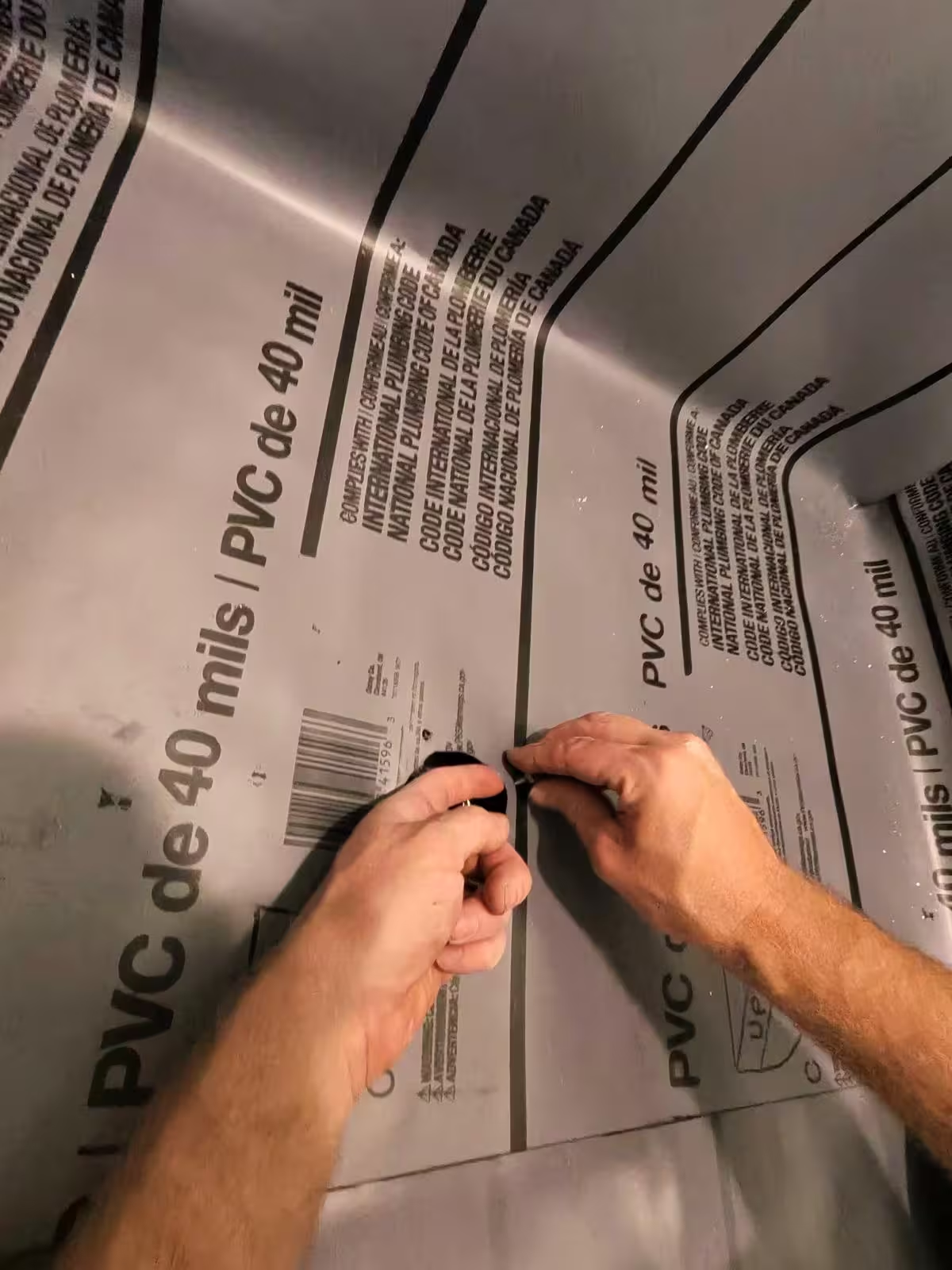
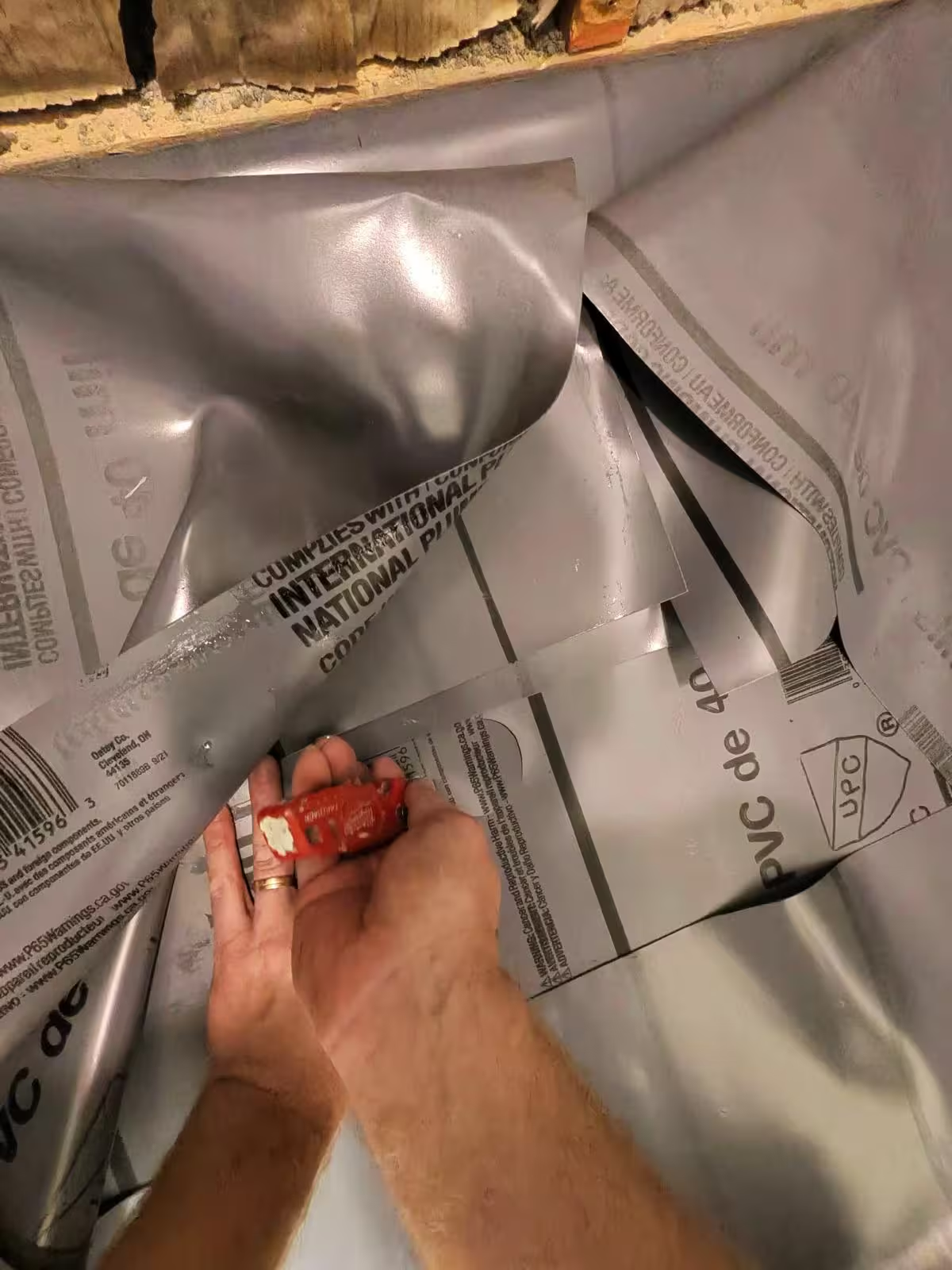
- Corner folds (no cuts) to prevent leak points at transitions
- Pre-formed corners at curb interfaces for watertight seals
Drain Connection (Critical Detail):
Following manufacturer specifications and plumbing code requirements:
- Cleaned existing drain base thoroughly, removing all debris and old sealant
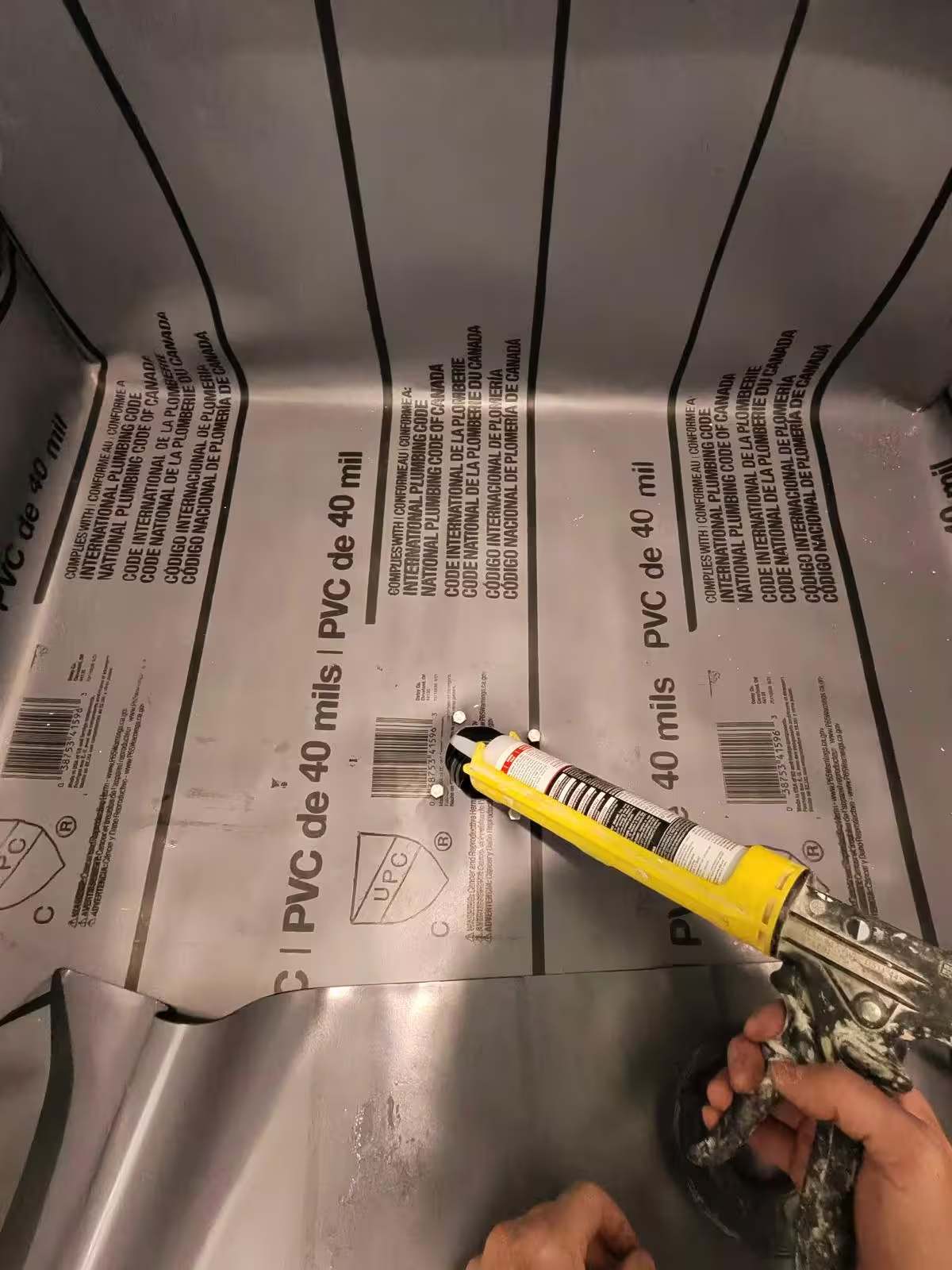
- Applied continuous bead of 100% silicone sealant to drain clamping ring surface
- Positioned liner precisely over drain opening with proper alignment
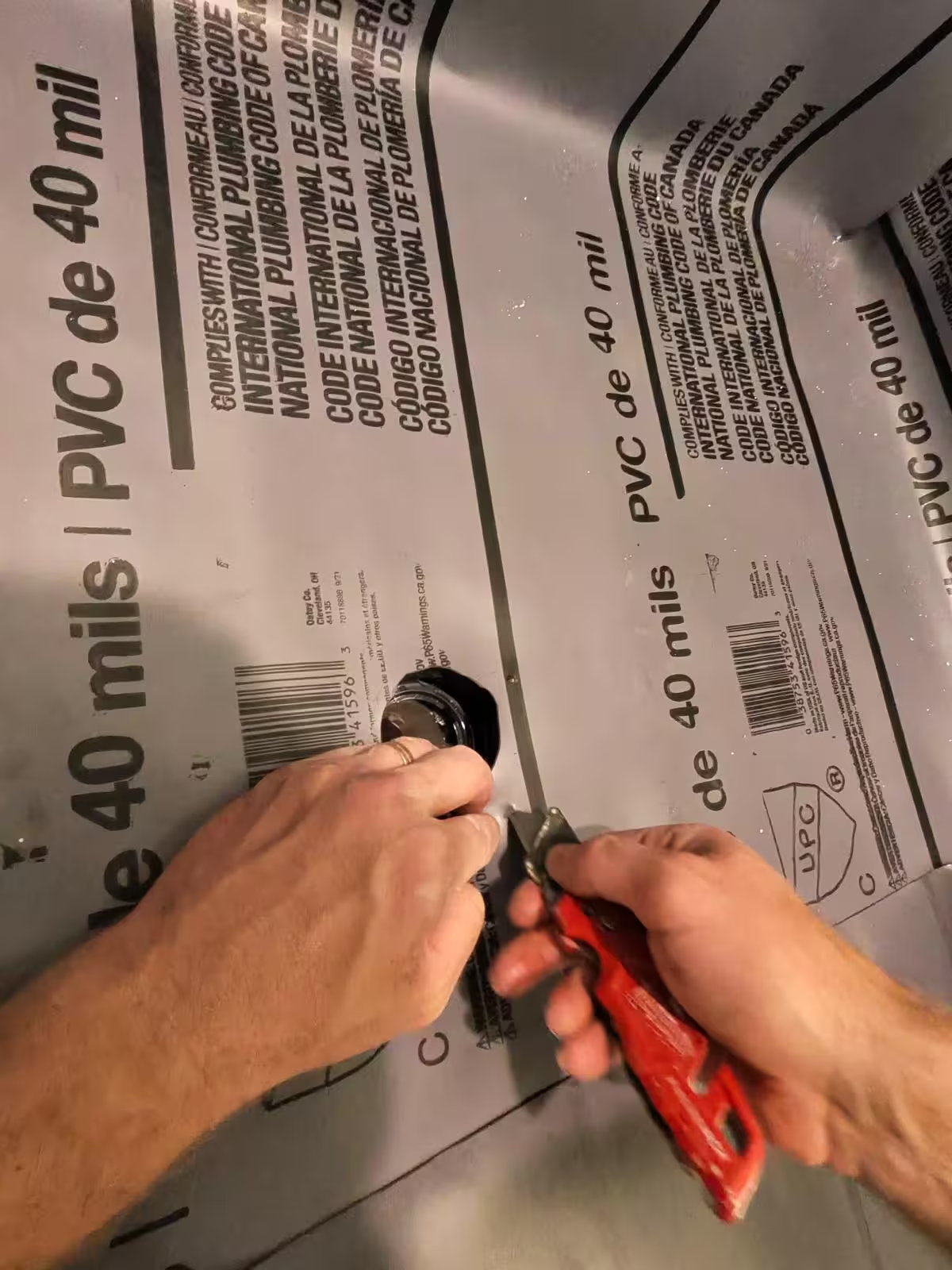
- Cut liner opening exactly to drain diameter (NOT to bolt holes)
- Pierced bolt holes individually with nail for tight fit around bolts
- Torqued clamping ring bolts evenly in cross-pattern to create watertight compression seal
- Protected weep holes with pea gravel to ensure secondary drainage path remains clear
Liner Fastening (Avoiding Previous Mistakes):
Per TCNA guidelines, all fasteners were installed ONLY in the upper portion of the liner (3" above the curb), ensuring no penetrations below the waterline that could compromise waterproofing integrity. This prevents the exact failure mode that caused the original leak.
Mandatory Flood Test Verification
Before proceeding with expensive mortar bed and tile installation, we performed a mandatory 24-hour flood test—the critical step the original installer skipped:
- Plugged drain opening with test plug
- Filled shower pan to full curb height (flood plane)
- Inspected from ceiling access below for any moisture, drips, or water penetration
- Confirmed complete waterproofing integrity after 24 hours
- Only after successful test did we proceed with mortar bed
This verification step would have immediately revealed the original screw punctures, preventing a year of frustration and ceiling damage for the homeowner.
Mortar Bed and Tile Installation
New Mortar Bed:
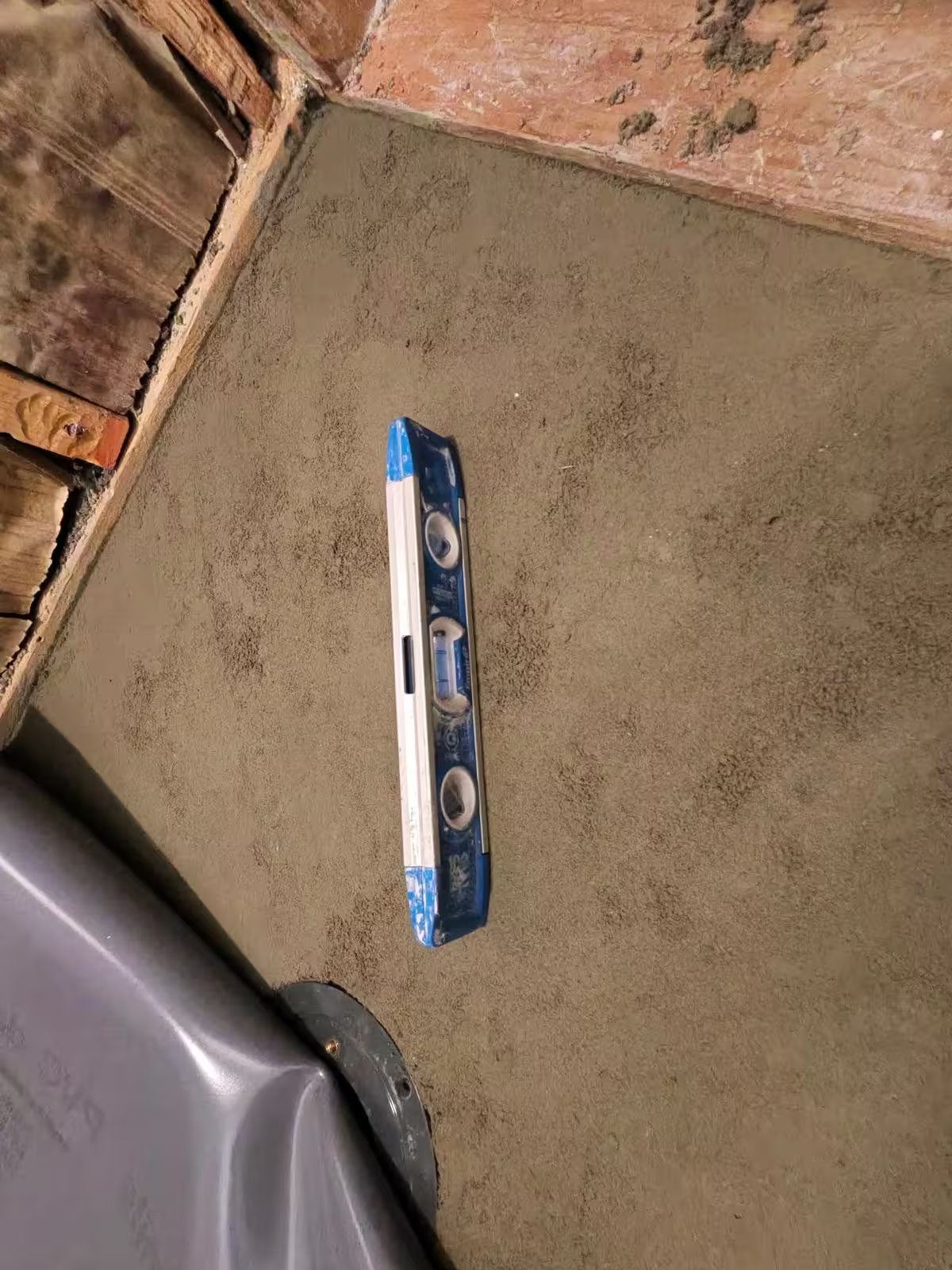
- Dry-pack mortar mixture (4-5 parts sand to 1 part Portland cement)
- Minimum 1.5" thickness at drain for structural support
- Proper 1/4" per foot slope to drain for complete water evacuation
- Smooth troweled finish for tile installation
Hexagon Floor Tile:
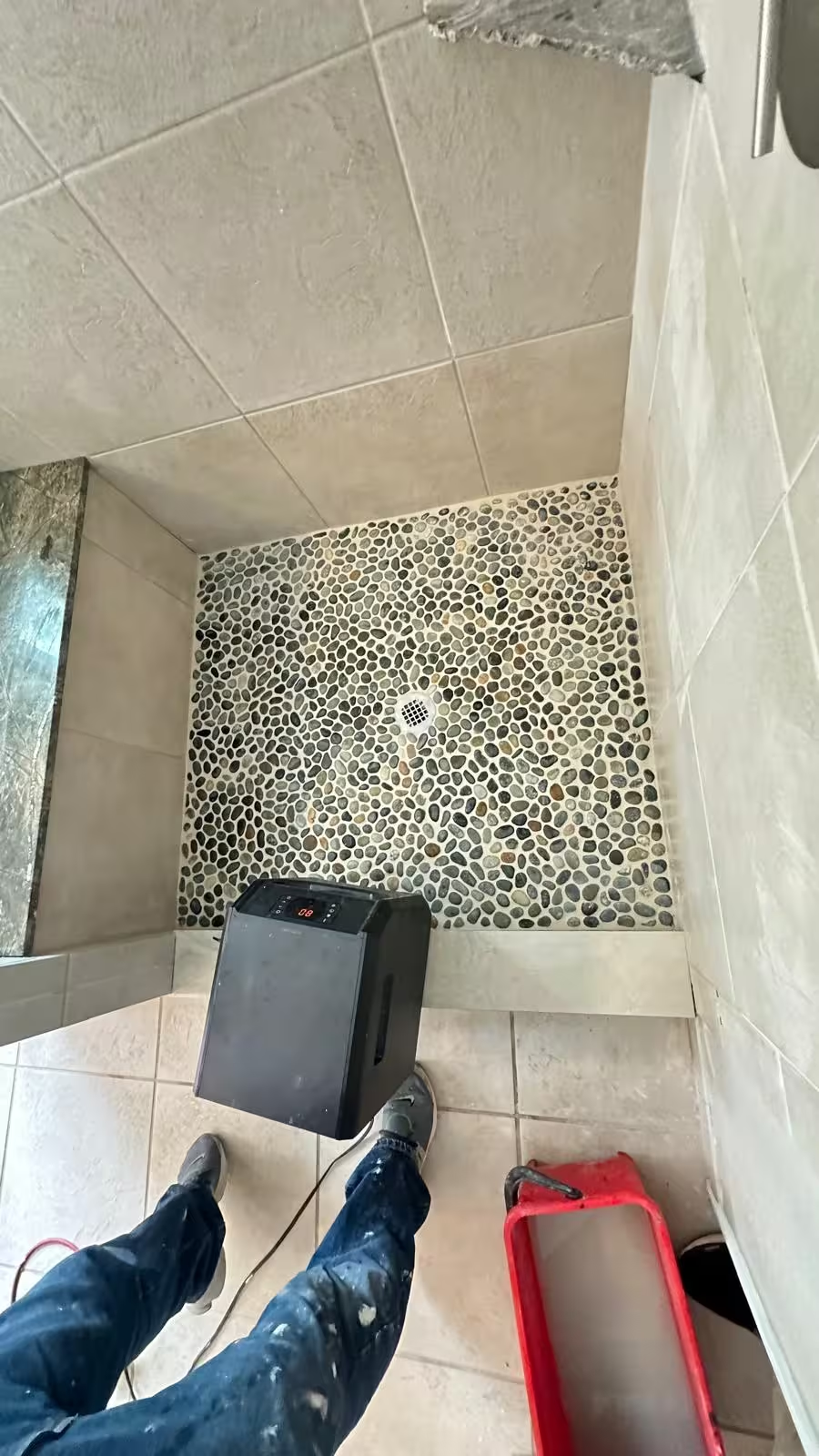
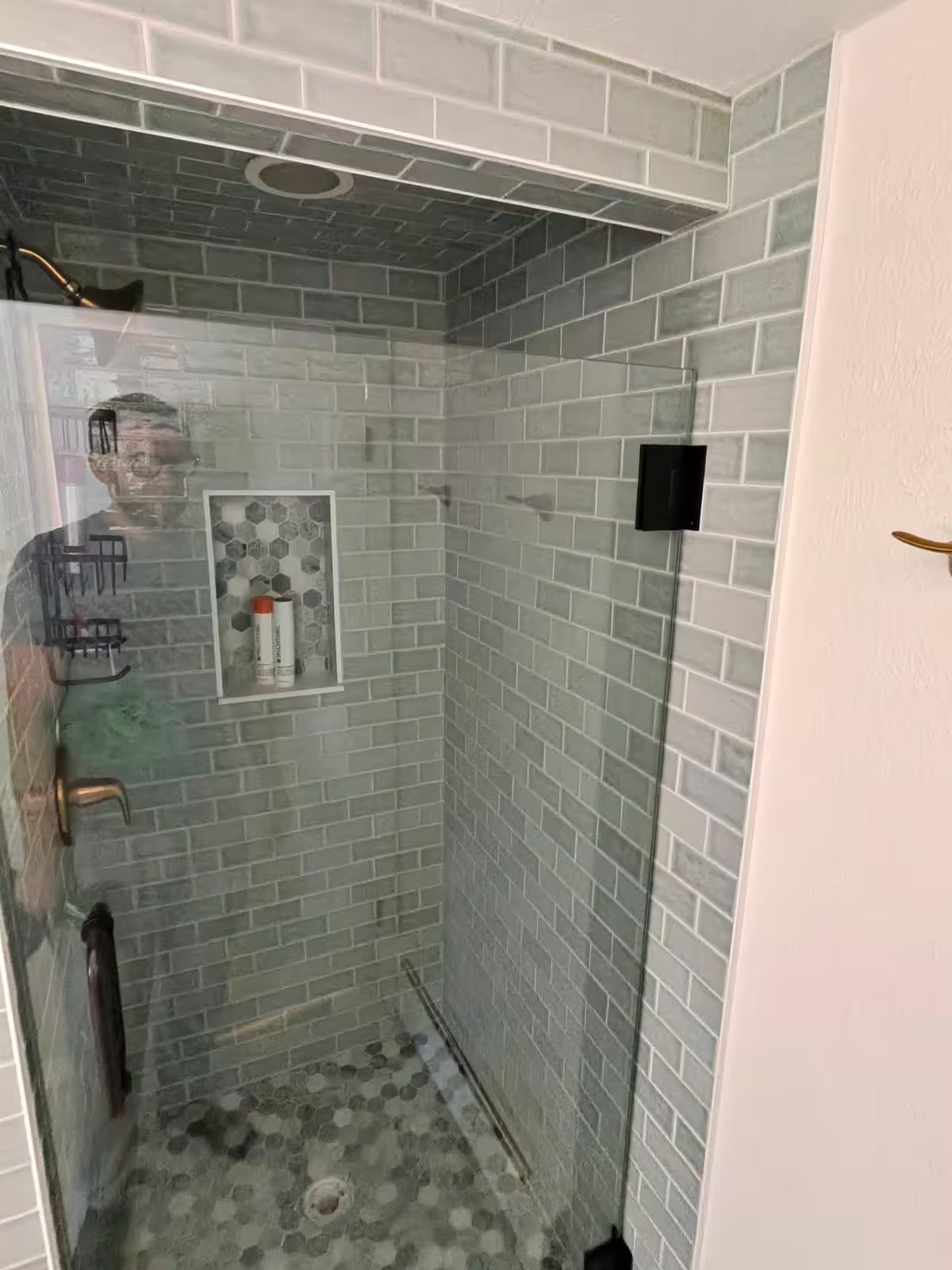
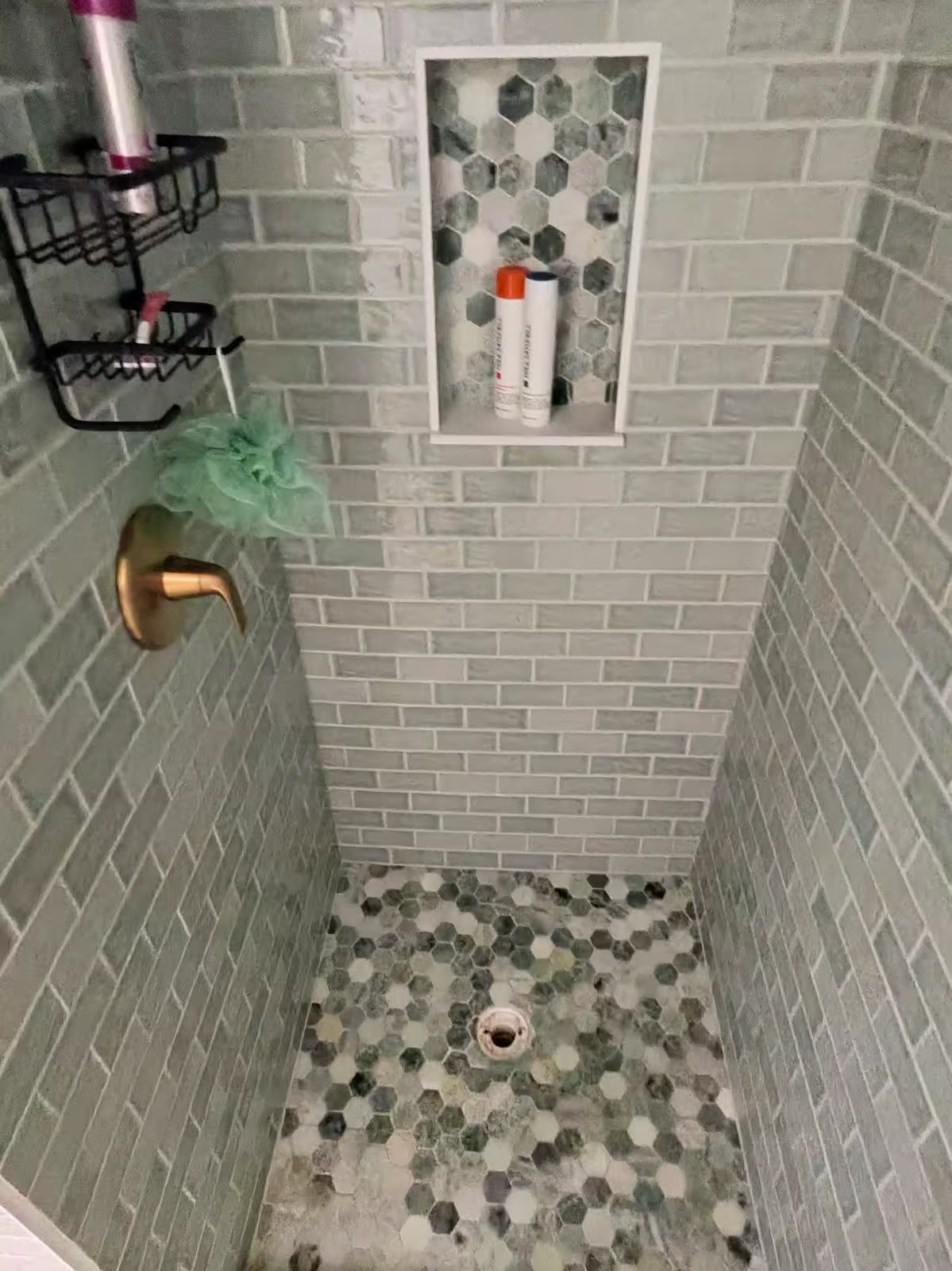
Installed multi-tonal hexagon mosaic tile to create a beautiful, slip-resistant shower floor. The hexagonal pattern provides excellent traction when wet, visual interest with color variation, proper grout joint spacing for flexibility, and seamless integration with preserved wall tile.
Wall Tile Re-installation:
The four rows of removed subway tile were carefully reinstalled to match the existing pattern, creating a seamless appearance. Professional color-matched grout ensured the repair blended perfectly with the original installation—you can't tell where old meets new.
Final Waterproofing and Finishing
- Silicone sealant application: All change-of-plane joints received 100% silicone sealant meeting ASTM C920 specifications (wall-to-floor, corners, fixtures)
- Glass door reinstallation: Existing glass shower door professionally reinstalled with fresh silicone seals and proper alignment
- Ceiling repair: First-floor ceiling drywall replaced and finished to match existing texture
- Final inspection: Homeowner walkthrough with flood test documentation and care instructions
Complete Repair Process Gallery
From diagnosis through ceiling access to proper TCNA-compliant liner installation and finished shower
What Made This Approach Successful
Proper Diagnosis
Rather than assuming complete demolition was necessary, we used strategic access points (ceiling below and minimal tile removal) to pinpoint the exact failure location, enabling targeted repair.
Cost-Effective Solution
By preserving the wall tile installation, we saved the homeowner approximately 70% compared to complete shower reconstruction ($2,800 vs $8,000-$12,000).
Standards Compliance
Unlike the original faulty installation, our work followed all TCNA and manufacturer guidelines for shower pan waterproofing—no fasteners below flood plane.
Verification Testing
The mandatory 24-hour flood test confirmed waterproofing integrity before proceeding with expensive finish work—catching any issues before they become expensive problems.
Materials & Methods
Results: Functional Shower at Fraction of Rebuild Cost
The shower that couldn't be used for a year is now fully functional and waterproof. The homeowner gained a reliable bathroom at a fraction of the cost of complete reconstruction.
Immediate Benefits
- Functional shower with verified waterproofing integrity
- Preserved beautiful wall tile installation (75% saved)
- Cost savings of $5,000+ compared to full rebuild
- Minimal disruption (1 week vs 3-4 weeks for complete rebuild)
Long-Term Confidence
- Installation following TCNA industry standards
- Documented 24-hour flood test verification
- Professional-grade materials and methods
- Warranty on workmanship and materials
Interested in our complete bathroom renovation services? We also provide emergency shower pan reconstruction for more extensive water damage situations.
Shower Pan Liner Repair FAQ
Can a shower pan liner be replaced without removing all the tile?
Yes, in many cases. If the leak is isolated to the shower pan area (not walls), strategic access through the lower tile rows and ceiling below allows liner replacement while preserving most of the tile installation. This approach can save 60-70% of the cost of complete demolition. We begin with diagnostic access from the ceiling below to trace the leak source, then remove only the minimum amount of tile necessary to access and replace the failed liner. In this Denver project, we removed only the bottom four rows of wall tile while preserving all upper tile work, saving the homeowner thousands in retiling costs. The key is proper diagnosis before demolition—understanding exactly where the leak originates allows us to develop a targeted repair strategy that minimizes cost and disruption while ensuring complete waterproofing integrity.
How do you know if your shower pan liner is leaking?
Common signs of shower pan liner failure include water stains on ceilings or walls below the shower (critical indicator for second-floor installations), soft or spongy feeling when stepping on the shower floor, persistent moisture or musty smells in the bathroom or room below, grout that won't dry or constantly needs re-sealing, loose or hollow-sounding floor tiles, visible water damage around the shower perimeter or baseboards, and ceiling drywall that's sagging, bubbling, or discolored below the shower. In this Denver case, the homeowner noticed water dripping through the first-floor ceiling after just 3-4 shower uses, causing ceiling drywall to sag and bubble—a clear indication of immediate shower pan failure. If you notice ANY of these signs, stop using the shower immediately and contact a professional for leak diagnosis. Continued use will cause exponentially more expensive structural damage to floor framing and ceilings below.
What causes shower pan liners to fail?
The most common causes of shower pan liner failure are improper installation practices that violate TCNA and manufacturer standards. In this Denver project, the original installer drove screws directly through the PVC liner below the flood plane (curb height)—a critical violation that created immediate leak paths. Other common causes include inadequate or improper drain sealing (missing silicone, incorrectly torqued clamping ring), tears or punctures during construction (dropped tools, careless mortar bed installation), improper slope causing standing water that finds weak points, using incompatible materials or outdated methods, insufficient liner upturn height (should be 3" minimum above curb), cut corners instead of folded corners creating leak points, and no flood testing to verify integrity before tile installation. Per TCNA Handbook guidelines, fasteners should NEVER penetrate the waterproof liner below 3" above the finished curb—all fastening must occur only in the upper portion of the liner. Quality installation following these standards prevents failures and ensures 20-50+ year lifespan.
Why did water leak after only 3-4 showers?
Immediate leaking after initial shower uses indicates a significant installation defect that was present from day one—not a wear-related failure. In this Denver case, we discovered multiple screws penetrating the PVC liner in the corner of the shower floor, creating direct water pathways that bypassed the waterproofing system entirely. The screws were driven through the liner during the original installation, likely when securing cement backer board or another component. This is a fundamental violation of waterproofing standards: per TCNA and manufacturer guidelines, NO fasteners should ever penetrate the waterproof membrane below the flood plane (typically 3" above the curb). Each screw created a pinhole leak, and with multiple penetrations, water had numerous paths to escape into the floor structure below. Properly installed shower pan liners should remain watertight for decades—immediate failure always indicates installation errors, not material defects. This is why flood testing before tile installation is mandatory but often skipped by inexperienced contractors.
What is a flood test and why is it important?
A flood test is a mandatory verification procedure required by building codes, TCNA standards, and industry best practices to confirm shower pan waterproofing integrity before proceeding with expensive mortar bed and tile installation. The process involves: (1) Plugging the drain opening with a test plug, (2) Filling the shower pan to the full height of the curb (flood plane), (3) Letting water sit for a minimum of 24 hours (we prefer 48 hours for critical second-floor installations), (4) Inspecting from below (through ceiling access) for any signs of moisture, drips, or water penetration, (5) Checking all corners, drain connection, and liner seams for leaks, (6) Only after confirming complete waterproofing integrity do we proceed with mortar bed installation. A flood test reveals installation defects BEFORE thousands of dollars in tile work is installed. In this Denver project, the original installer clearly skipped this critical step—a proper flood test would have immediately revealed the screw punctures, allowing correction before the shower was tiled and deemed 'complete.' This is why we ALWAYS perform flood tests and provide documentation to homeowners.
Can you reuse the old tile after removing it?
Sometimes, depending on tile type, removal method, and damage extent. If tile is removed carefully using proper techniques and tools, and the tiles remain undamaged (no cracks, chips, or broken edges), they can potentially be reinstalled. However, success requires professional skill and patience. Subway tile and larger format tiles are easier to salvage than small mosaics. Matching grout color precisely and achieving seamless integration where new meets old requires expertise—poor execution results in visible 'patchwork' appearance. In this Denver project, we carefully removed the bottom four rows of subway tile using an angle grinder with controlled cuts, preserved undamaged tiles, and professionally reinstalled them with color-matched grout to create seamless appearance. The upper tile rows were never disturbed. For homeowners, the key benefit isn't necessarily reusing the exact removed tiles (some breakage is inevitable), but rather preserving the majority of the tile installation that doesn't require access. This strategic approach saved this homeowner approximately $5,000+ in retiling costs compared to complete shower reconstruction.
How much does shower pan liner repair cost compared to full replacement?
This targeted shower pan liner repair cost $2,800 versus $8,000-$12,000 for complete shower reconstruction—a savings of approximately 65-75%. The cost-effective approach was possible because: (1) Wall tile was preserved, eliminating retiling costs, (2) Only floor tile required replacement, (3) Strategic access minimized demolition and debris removal, (4) Glass door was preserved and reinstalled, (5) Plumbing fixtures remained intact. Cost factors for targeted repairs include: shower size and accessibility, extent of water damage to framing (minor vs major repairs needed), tile preservation feasibility (depends on installation method and leak location), ceiling repair complexity, labor for strategic access and careful demolition. Complete shower reconstruction costs include: full demolition and disposal ($1,500-$2,500), all new waterproofing and mortar bed ($1,000-$2,000), complete retiling of walls and floor ($3,000-$6,000), plumbing fixture replacement or upgrade ($500-$2,000), glass door replacement ($800-$1,500), permits and inspections ($200-$500). When feasible, targeted repair provides identical waterproofing performance at a fraction of the cost. However, not all situations allow this approach—extensive water damage or wall waterproofing failures may require complete reconstruction.
What should I do if my relatively new shower is leaking?
If your recently installed shower is leaking, take immediate action: (1) Stop using the shower completely—every use causes additional water damage and increases repair costs exponentially. (2) Document the issue with photos and videos of ceiling damage, water stains, or visible leaks. (3) Contact the original installer immediately if still under warranty—they're legally obligated to correct defective work. (4) If the installer is unresponsive, unavailable, or you lack confidence in their ability to properly diagnose and repair, contact a licensed professional specializing in shower waterproofing. (5) Request professional leak diagnosis before agreeing to any work—proper diagnosis determines whether targeted repair or complete reconstruction is necessary. (6) Assess water damage extent, especially to floor framing and ceilings below second-floor showers. (7) Consider involving homeowner's insurance if structural damage is extensive. In this Denver case, the homeowner wisely stopped using the shower after initial leaks and contacted us for professional diagnosis. Our strategic approach—ceiling access for leak tracing, minimal tile removal, proper liner replacement following TCNA standards, and mandatory flood testing—provided a permanent solution at a fraction of complete rebuild cost. Don't assume complete demolition is your only option.
How can I prevent shower pan liner failures in future installations?
Preventing shower pan liner failures requires proper installation following industry standards and ongoing maintenance. For new installations: (1) Hire licensed contractors experienced with TCNA Handbook methods, not general handymen. (2) Verify they'll use 40 mil PVC or CPE liner meeting ASTM D4551 standards (not thin vinyl). (3) Ensure contract specifies mandatory 24-hour flood test before tile installation with written documentation. (4) Confirm proper liner upturn height (minimum 3" above finished curb). (5) Verify NO fasteners will penetrate liner below flood plane—only upper portions can be fastened. (6) Require folded corners (not cut corners) to eliminate leak points. (7) Confirm two-part clamping drain assembly with proper silicone seal and protected weep holes. (8) Insist on proper slope (minimum 1/4" per foot to drain). For existing showers: (1) Re-seal grout annually with penetrating sealer to prevent moisture penetration. (2) Replace silicone caulk at all change-of-plane joints every 2-3 years. (3) Ensure proper bathroom ventilation (exhaust fan running during and 30 minutes after showers). (4) Address any loose tiles, cracks, or grout deterioration immediately. (5) For second-floor showers, inspect ceiling below periodically for moisture signs. (6) Avoid harsh acidic cleaners that deteriorate grout and sealants. Following these practices ensures your properly installed shower pan liner provides decades of leak-free performance.
Request Shower Leak Diagnosis
Professional leak assessment with strategic repair options that minimize cost and disruption